
The Sacred Knot: A Guide to Gathbandhan Puja for a Blissful Marriage
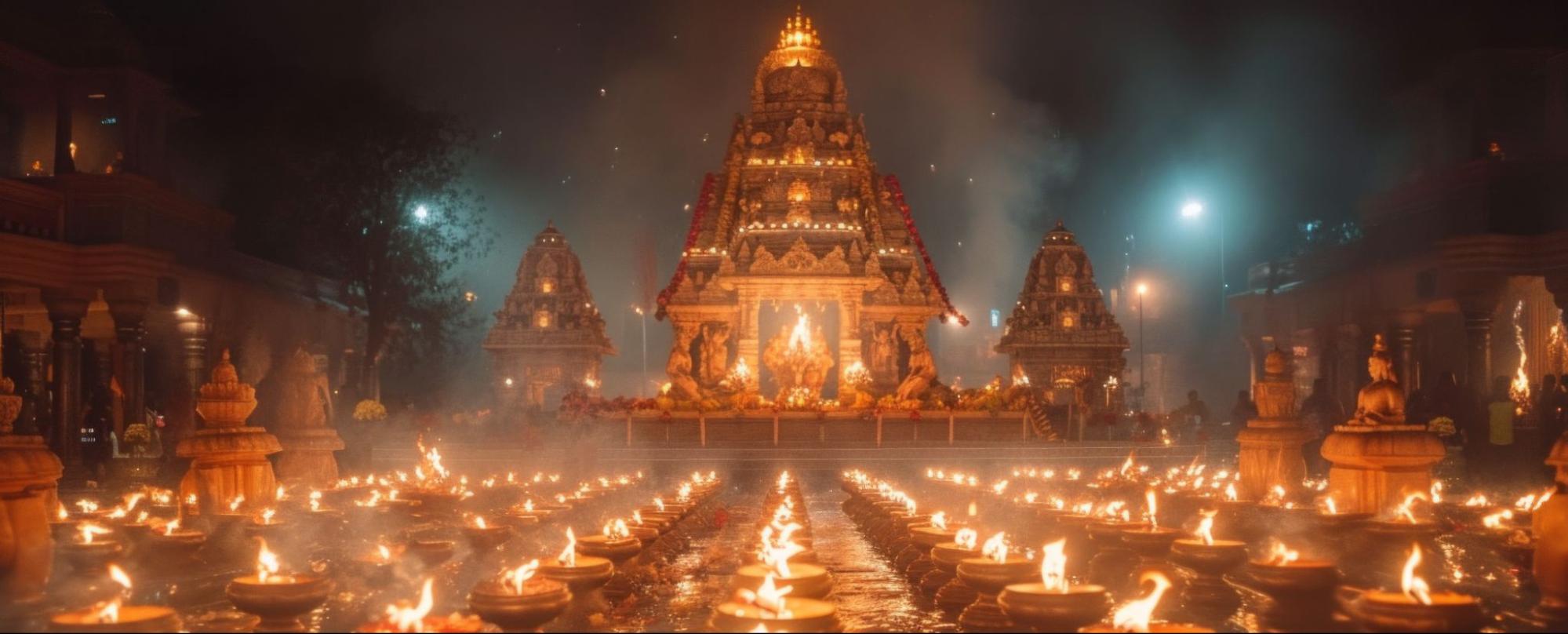
Marriage in Hinduism is far more than a ceremony or a social event. It’s a sacred bond that connects two souls, a journey of love, trust, and togetherness that stretches beyond lifetimes. One of the most heart-touching rituals that captures this divine union is the Gathbandhan Puja, where the bride and groom are tied together with a sacred knot, symbolizing their eternal commitment and harmony.
Whether you are planning your wedding, hoping to deepen your marital bond, or simply curious about ancient Vedic practices that bless a happy married life, this guide will help you understand the beauty of Gathbandhan Puja. From its spiritual meaning and legendary origins to the step-by-step process and even how to perform it online, you will discover how this sacred knot can bless your journey together with love, peace, and divine grace.
What is Gathbandhan Puja?
Gathbandhan Puja, also known as Gaanth Bandhan or the Sacred Knot-Tying Ceremony, traditionally takes place during Hindu weddings, where a sacred knot is tied between the bride’s saree pallu and the groom’s scarf or dupatta symbolizing an eternal marital bond.
At Temple Dekho, however, the Gathbandhan Puja is performed not as part of a wedding ceremony but as a symbolic ritual. Here, a sacred knot is tied between two temples, representing the divine connection and lifelong bond between the couple. This ritual invokes blessings for harmony, unity, and strength in the marital relationship through the grace of the deities.
The knot represents the union of two hearts and souls, a promise of love, trust, and togetherness through life’s joys and challenges. Each thread reminds the couple of their vows, blessings from elders, and divine guidance. When tied, the knot becomes a living symbol of commitment, protection, and harmony.
Mantras are chanted to invite divine energy, and elders bless the couple for a life of understanding, respect, and shared happiness. The Gathbandhan marks the beginning of a sacred partnership that is both spiritual and emotional, a bond watched over by the gods themselves.
Significance of Gathbandhan Puja
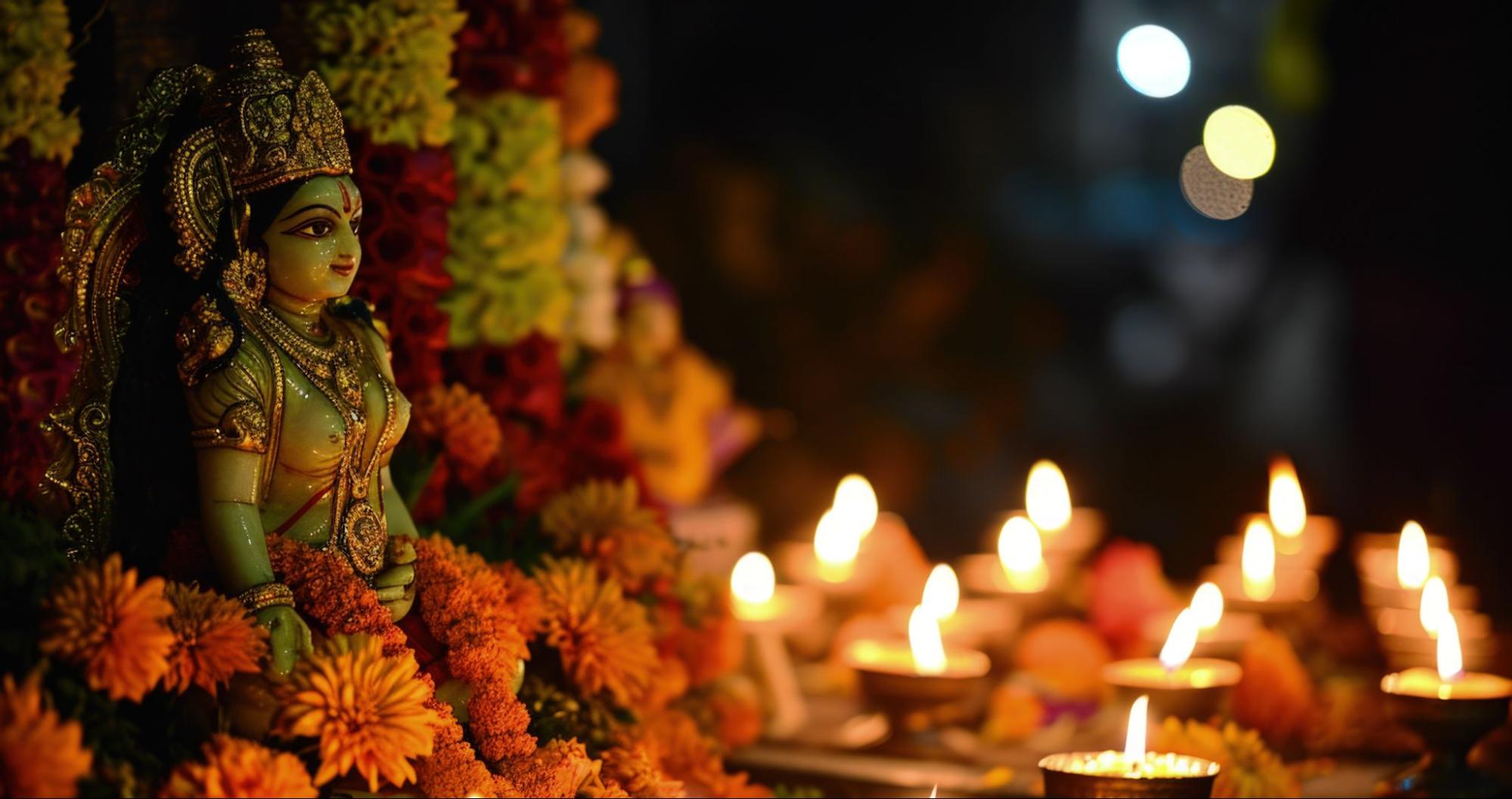
Gathbandhan Puja is much more than tying a knot; it carries deep spiritual meaning that blesses the couple for life.
Aspect | Symbolism |
Unity and Bond | For those seeking a life partner or wishing to strengthen marital harmony. |
Mutual Dependence | Signifies shared responsibilities, joys, and sorrows in married life |
Strength and Security | Embodies the couple’s promise to protect and support each other |
Eternal Connection | Reflects the belief in togetherness beyond lifetimes |
The Legend of Gathbandhan at Baidyanath Dham
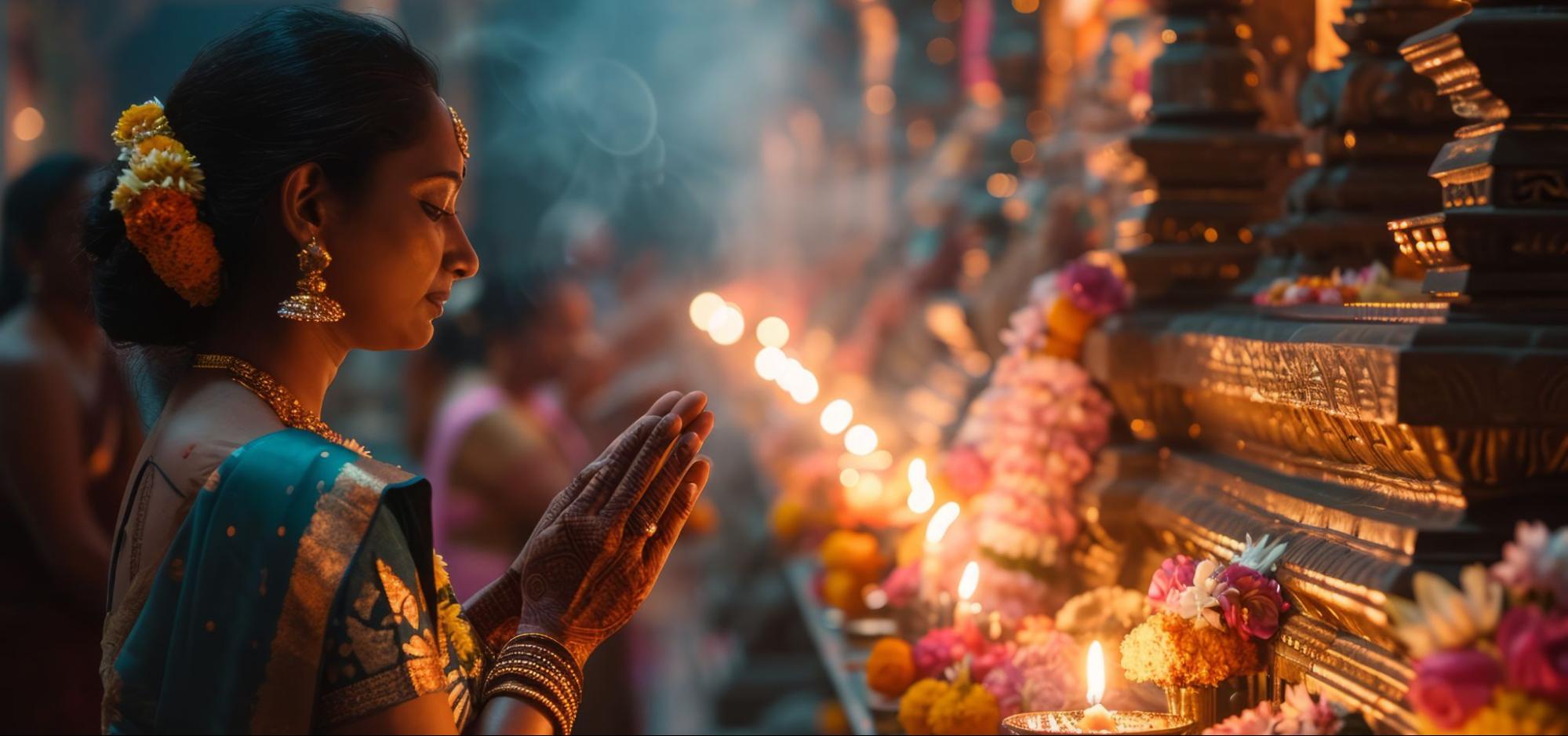
In the sacred land of Deoghar lies Baidyanath Dham, where Lord Shiva’s divine presence is said to dwell alongside the heart of Goddess Sati. It is believed that when Sati sacrificed herself during the Daksha Yagya, her heart fell near Shiva’s Lingam, making this place one of the 52 holy Shaktipeeths. From that moment, Baidyanath became a living symbol of eternal love — where Shiva and Shakti are never apart.
This divine togetherness is honored through the Gathbandhan Puja. Within the temple complex, red threads are tied between the domes of Baba Baidyanath Temple and the nearby Parvati Temple, representing the sacred connection between the two. The sight of these crimson threads swaying in the breeze fills the heart with devotion — a reminder that love blessed by the divine is never broken.
During the holy month of Shravan, thousands of devotees visit the temple carrying Gangajal and tie their own red ribbons between the two shrines. Each ribbon carries a prayer — for a happy marriage, deep understanding, and a bond as unshakable as that of Lord Shiva and Goddess Parvati.
Ritual Procedure (Vidhi)
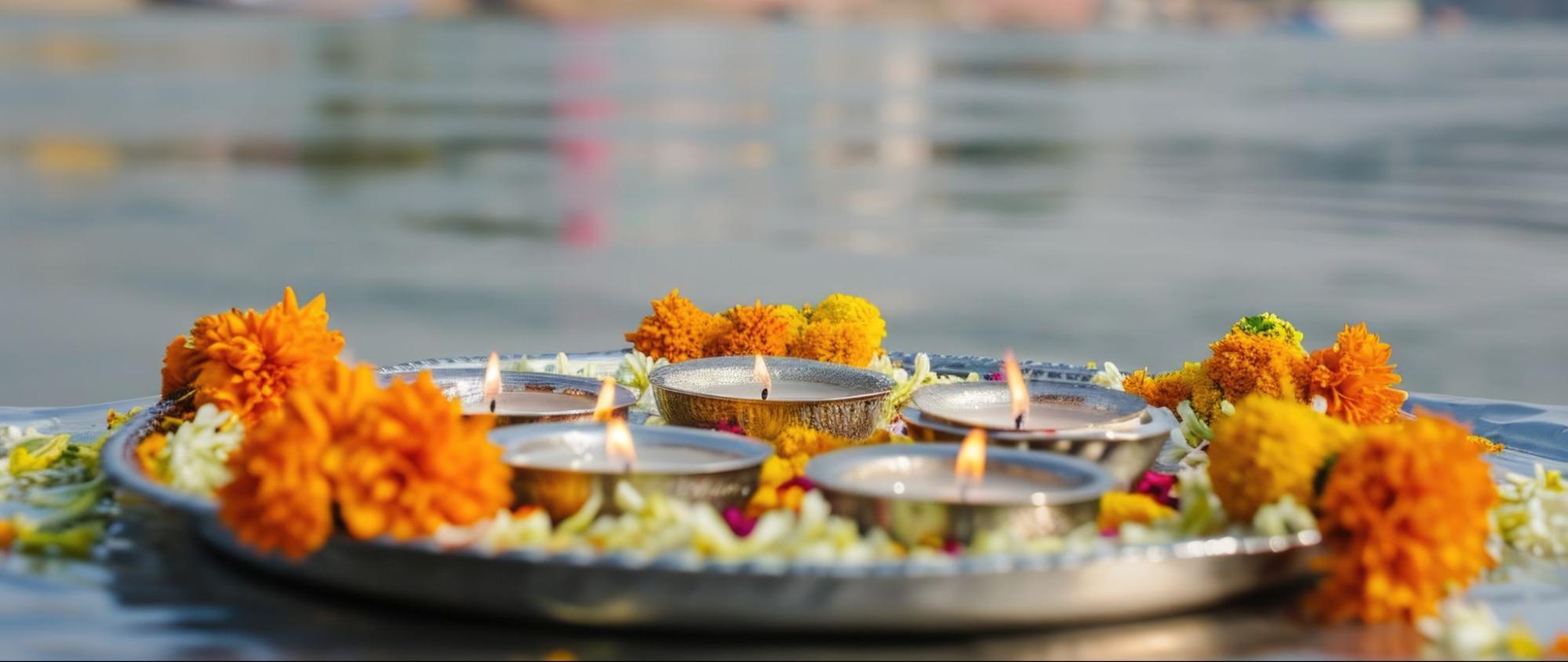
Every sacred ceremony begins with purity, devotion, and intention — and so does the Gathbandhan Puja. Here’s how this auspicious ritual is traditionally performed during a Hindu wedding:
- Purification of the Puja Area
The ceremony begins by purifying the space. A diya is lit, and fresh flowers, a kalash filled with holy water, sweets, and sacred items are arranged to invite divine energy. - Invocation of Lord Ganesha
The puja starts with Ganesh Vandana, seeking Lord Ganesha’s blessings to remove all obstacles and ensure the ceremony proceeds smoothly and joyfully. - Tying the Sacred Knot
The most heartfelt part of the ritual — the bride’s saree pallu is gently tied to the groom’s scarf or dupatta. This sacred knot represents their union, the joining of two souls and families in divine harmony. - Chanting of Vedic Mantras
Priests chant mantras dedicated to Lord Shiva and Goddess Parvati, invoking their eternal bond to bless the couple with understanding, patience, and love. - Offering Abhishek and Prayers
Offerings of milk, honey, Gangajal, and flowers are made to the Shivling. Each offering carries prayers for purity, prosperity, and lifelong companionship. - Aarti and Blessings
The ritual concludes with aarti. Elders bless the couple, wishing them a marriage filled with peace, devotion, and happiness under the grace of Lord Shiva and Goddess Parvati.
Essential Puja Items:
Flowers, sindoor, mangalsutra, prasad, red thread, roli, rice, honey, milk, and coconut are used to complete the ceremony with devotion and authenticity.
Benefits of Gathbandhan Puja
The blessings of Gathbandhan Puja go far beyond the wedding day. When performed with faith and devotion, it brings peace, strength, and divine harmony into married life.
Benefit | Description |
Marital Harmony | Helps clear misunderstandings and nurtures love, respect, and understanding between partners. |
Divine Blessings | Invokes the grace of Lord Shiva and Goddess Parvati, ensuring a bond filled with peace and lifelong unity. |
Conflict Resolution | Acts as a sacred remedy to dissolve ego and restore trust in relationships. |
Spiritual Connection | Strengthens not only emotional closeness but also the spiritual connection between husband and wife. |
Protection | Shields the couple from negative influences and planetary doshas, ensuring stability and positive energy in their union. |
How to Perform Gathbandhan Puja Online
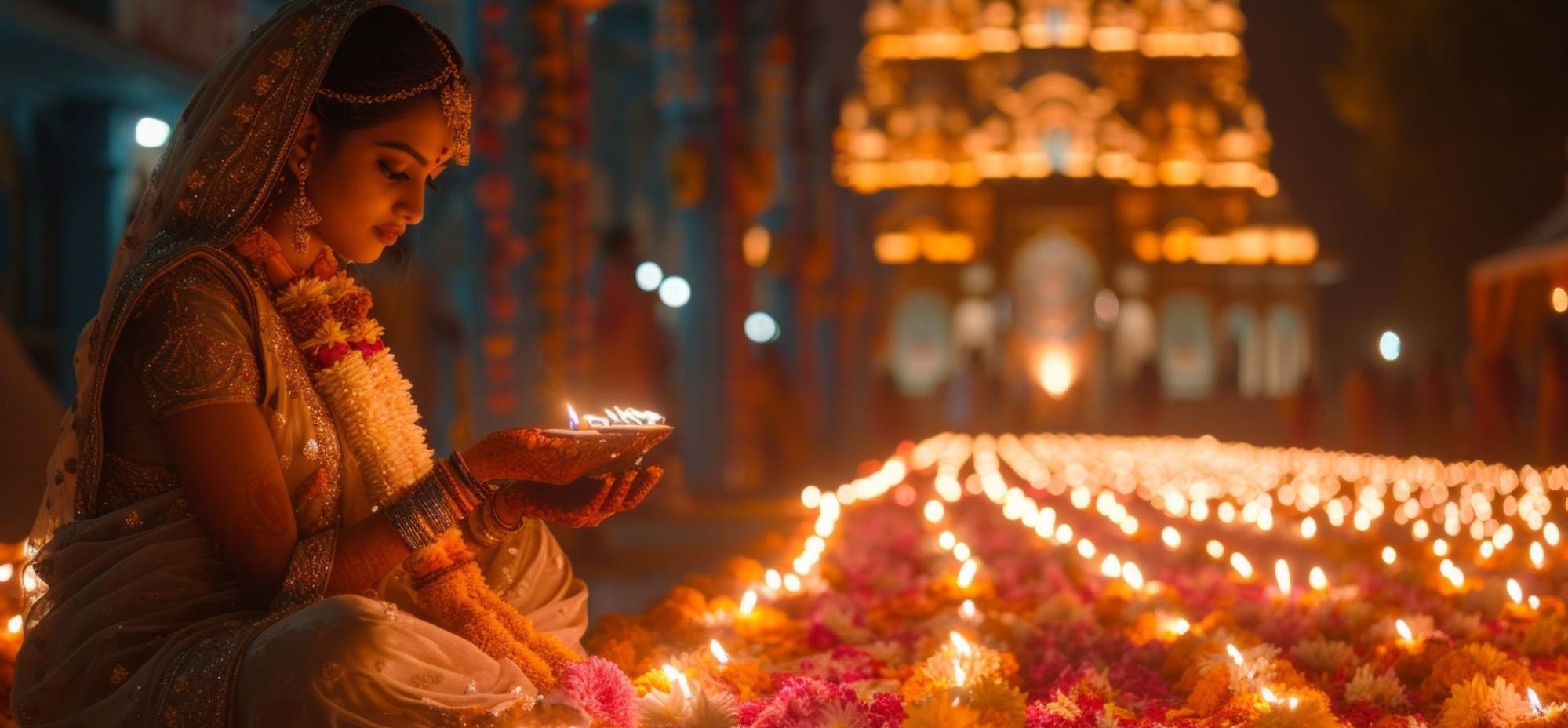
For those who cannot travel to Deoghar, there’s no need to feel distant from the divine. With the blessings of technology and trusted temple services, devotees can now perform the sacred Gathbandhan Puja online and receive the same spiritual grace as being present in person.
Here’s how it’s done:
- Visit a verified platform such as Temple Dekho or other authorized temple services.
- Enter your details — name, gotra, and personal intentions for the puja.
- Choose whether you’d like the ritual performed directly at the temple or remotely on your behalf.
- Experienced priests conduct the puja following every Vedic step, either in a live session or with a detailed report shared afterward.
- Once completed, the temple sends the prasadam and blessings straight to your doorstep.
This online option makes it possible for devotees across the world to feel connected to Baidyanath Dham and experience the sacred energy of Lord Shiva and Goddess Parvati — all from the comfort of their home.
Related Ritual – Mohini Gathbandhan Puja
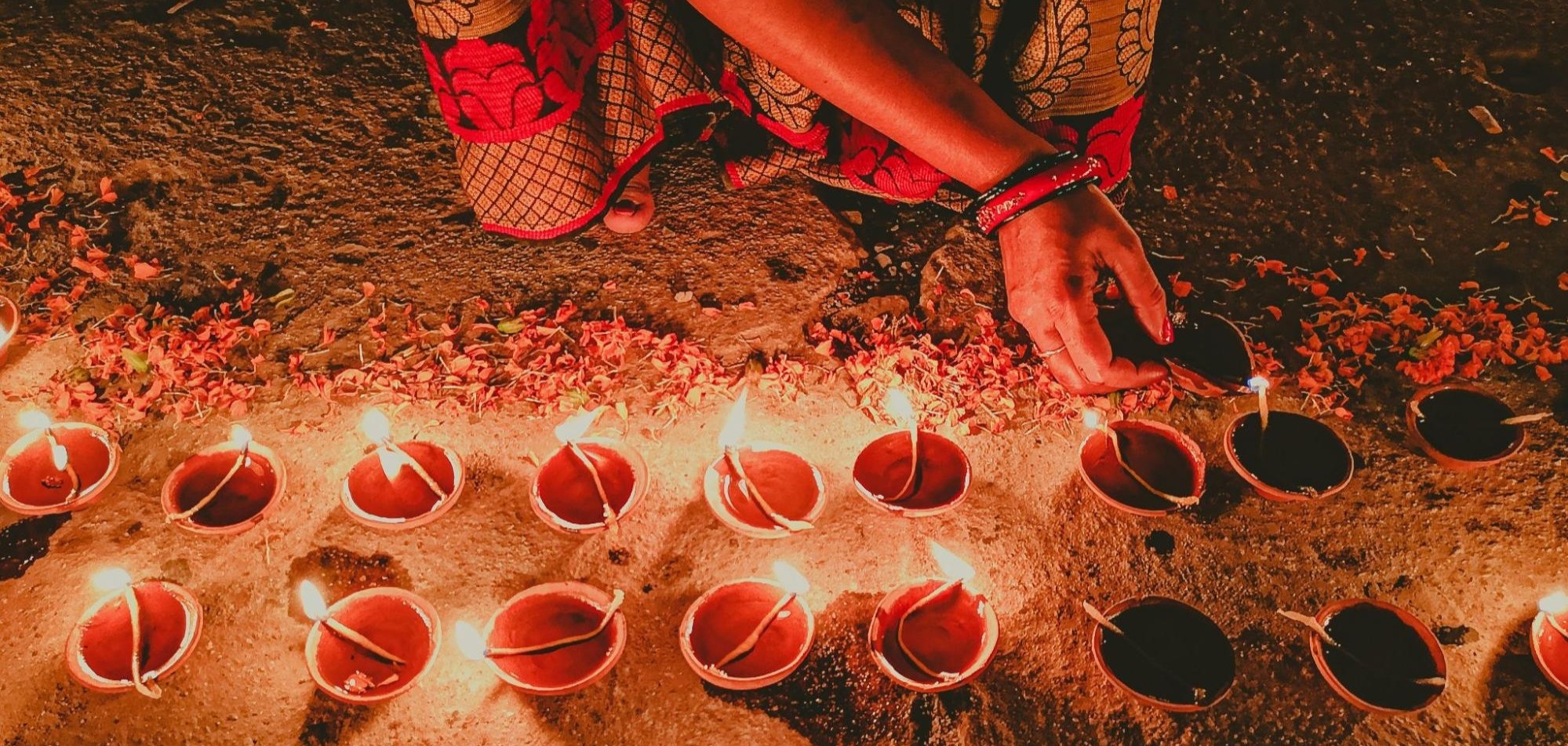
Mohini Gathbandhan Puja is a special variation of the sacred knot ceremony, designed to nurture love and strengthen emotional bonds. It is particularly recommended for couples navigating challenges in their relationship or for individuals seeking a compatible life partner.
Through this puja, divine energy is invoked to restore affection, understanding, and commitment, helping relationships flourish with harmony and trust. The ritual reminds devotees that love, when guided by the blessings of the gods, can be renewed and strengthened even in difficult times.
Conclusion
Gathbandhan Puja is far more than a wedding ritual; it is a sacred celebration of love, unity, and devotion. Whether performed at the holy Baba Baidyanath Dham or through an online Gathbandhan Puja, this ritual invites divine blessings into a marriage, fostering understanding, harmony, and lifelong happiness.
The sacred knot of Gathbandhan is not just a thread — it is a promise, a spiritual bond that ties hearts together under the watchful blessings of Lord Shiva and Goddess Parvati. When performed with faith, it ensures that love, trust, and togetherness remain at the heart of your journey, today and for all the lifetimes to come.
FAQs on Gathbandhan Puja
- What is Gathbandhan Puja?
It’s a sacred Hindu ritual symbolizing the divine union between husband and wife, inspired by the eternal bond of Lord Shiva and Goddess Parvati. - Where is the most famous Gathbandhan Puja performed?
At Baba Baidyanath Dham in Deoghar, Jharkhand, one of the 12 Jyotirlingas and a revered Shaktipeeth. - Can I perform Gathbandhan Puja online?
Yes, devotees can perform online Gathbandhan Puja through platforms like Dorituals or 99Pandit with live streaming or remote performance options. - What are the benefits of Gathbandhan Puja?
It brings love, harmony, and divine protection, resolving relationship conflicts and fostering emotional and spiritual bonding. - What is the significance of tying the knot in Hindu weddings?
The sacred knot represents the unbreakable promise of unity and mutual dependence between the couple. - Who should perform Gathbandhan Puja?
Married couples, those facing marital challenges, or individuals seeking an ideal partner. - What is Mohini Gathbandhan Puja?
It’s a special form of Gathbandhan Puja performed to attract love and strengthen emotional connections between couples.
Share On
Please install and activate TablePress plugin to work this widget.